

If you’ve stumbled upon JSP meaning in text and wondered what it represents, you’re not alone. This common texting abbreviation pops up in casual conversations, social media comments, and gaming chats, leaving many confused about its intent and proper usage.
Understanding JSP meaning in text helps you navigate modern texting slang with confidence.
Whether it’s asserting an opinion or ending a debate, knowing when and how to use this internet abbreviation ensures you communicate effectively in today’s fast-paced digital world.
Definition & Meaning
JSP stands for “Just Saying, Period” in casual conversation slang. This texting short form emphasizes finality, adding weight to statements while signaling no further discussion. The JSP definition reflects assertive communication in digital spaces.
When someone uses JSP, they’re essentially dropping the mic on their opinion. The JSP acronym combines conversational ease with definitive closure, making it popular among younger internet users who value directness and brevity in messaging.
Read Also This: https://celebsmeaningcom.com/wtv-meaning/
Examples in Conversations
Example 1: Social Media Debate
- Person A: “Pineapple belongs on pizza, JSP.”
- Person B: “That’s controversial!”
Example 2: Group Chat
- Person A: “We should leave by 7 PM to avoid traffic.”
- Person B: “Good idea, JSP.”
Example 3: Gaming Chat
- Player 1: “That strategy won’t work, JSP.”
- Player 2: “Let’s try anyway.”
These examples show JSP usage across different platforms. The JSP chat meaning varies slightly based on context, but the core intent remains consistent: emphasizing a statement with finality and conviction.
Background & History
The JSP abbreviation emerged from internet culture’s need for concise, impactful communication. As texting language evolved, users combined existing phrases to create stronger emphasis. “Just saying” gained the addition of “period” for extra punch.
This informal acronym gained traction around the mid-2010s across various online forums and social media platforms. Unlike technical terms like JavaServer Pages, this slang version developed organically through everyday digital interactions and quickly spread among younger demographics.
Usage in Various Contexts
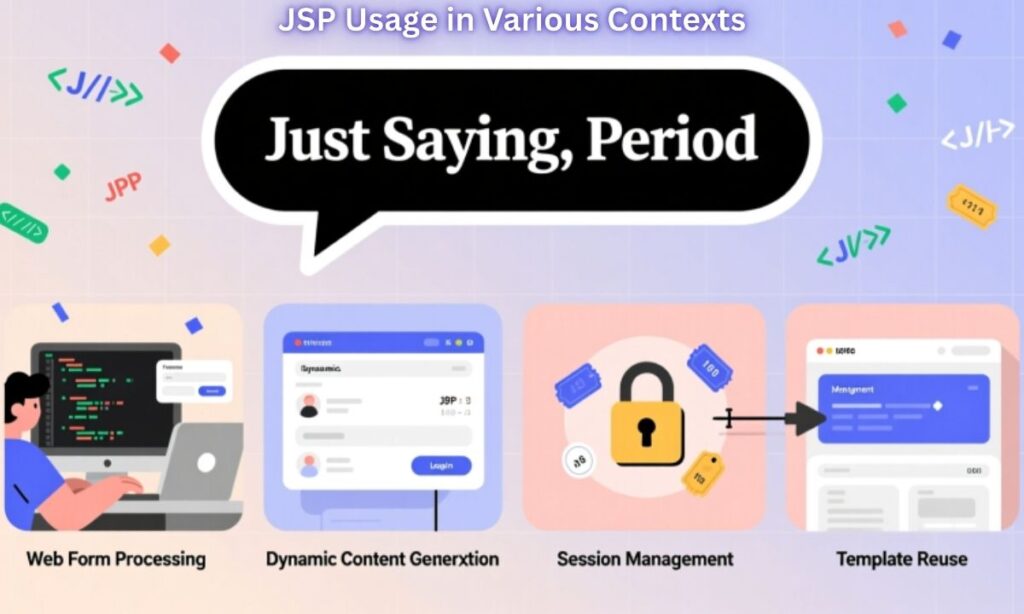
1. Texting & Social Media
In text messaging and social media comments, JSP functions as a conversational endpoint. Users deploy this online slang to assert opinions confidently without appearing aggressive. It’s perfect for playful banter or making points during friendly debates.
The tone and intent in messaging matter significantly here. While JSP adds emphasis, context determines whether it sounds dismissive or simply confident. Smart users balance this texting slang with appropriate emojis or follow-up messages to maintain positive interactions.
2. Gaming
Within gaming chats, JSP serves strategic purposes. Players use this gaming chat slang to call out tactics, warn teammates, or assert gameplay opinions. The fast-paced environment demands quick communication, making internet abbreviations essential for efficiency.
Gamers appreciate the brevity since typing detailed explanations wastes precious time. The JSP full form might be longer, but its abbreviated version keeps communication streamlined while maintaining clarity and impact during intense gaming sessions.
3. Professional Settings?
Using JSP in professional communication requires extreme caution. Most workplace environments favor formal language over texting short forms. The dismissive tone associated with JSP can undermine professionalism and damage working relationships significantly.
Context-based meanings shift dramatically in professional spaces. What seems casual among friends becomes inappropriate with colleagues or clients. Experts recommend avoiding internet chat terms entirely in business emails, presentations, or formal meetings to maintain credibility.
Common Misconceptions
Many confuse JSP with JavaServer Pages, the programming language used in web development. This tech industry terminology serves completely different purposes. Understanding slang vs technical terminology prevents embarrassing misunderstandings in different contexts.
Another misconception involves JSP’s perceived aggression. While it emphasizes opinions, JSP isn’t inherently rude when used appropriately. The tech community interpretation differs vastly from casual usage, making context crucial for proper understanding and application.
Similar Terms & Alternatives
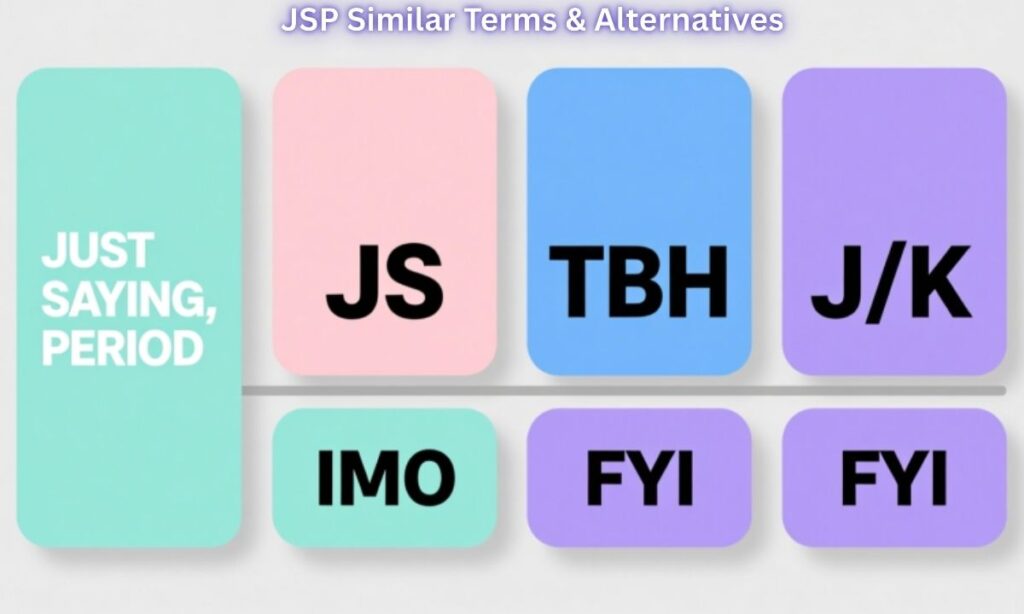
| Acronym | Full Form | Usage Context |
| JS | Just Saying | Softer alternative to JSP |
| TBH | To Be Honest | Introducing honest opinions |
| J/K | Just Kidding | Indicating playful humor |
| IMO | In My Opinion | Expressing personal views |
| FYI | For Your Information | Sharing information |
Related acronyms like JS (Just Saying) offer softer alternatives when you want emphasis without finality. TBH (To Be Honest) introduces honest opinions while inviting dialogue, unlike JSP’s conversation-ending nature.
Other comparative terms include “periodt” or “and that’s that,” which share JSP’s assertive quality.
These alternatives within internet culture evolution provide options for various situations, from friendly chats to more serious discussions requiring different tonal approaches.
How to Respond to JSP
Responding to slang like JSP requires reading the situation carefully. If someone uses JSP playfully, respond with humor or acknowledgment. Simple replies like “Fair point!” or “I hear you” work well without escalating tensions.
When JSP appears in shutting down debates, decide whether continuing serves any purpose.
Sometimes acknowledging their point and moving forward maintains harmony. Other times, respectfully disagreeing while managing online tone keeps conversations productive and civil.
Key Response Strategies:
- Acknowledge their opinion respectfully
- Use humor to diffuse potential tension
- Change the subject if needed
- Respond with your own perspective calmly
- Know when to agree to disagree
Regional or Cultural Differences
US slang usage predominantly features JSP, especially among Gen Z and younger millennials. American internet culture embraces assertive communication styles, making this texting abbreviation particularly popular in casual digital exchanges across various platforms.
UK slang usage shows less prevalence of JSP, with British users preferring different expressions. However, globalization and social media exposure mean these internet abbreviations cross borders rapidly, creating shared digital vocabularies despite geographic differences.
Is JSP Offensive?
JSP isn’t inherently offensive, but tone and intent determine its reception. Used playfully among friends, it’s harmless fun. However, deploying JSP during serious discussions or with sensitive individuals might seem dismissive or confrontational.
Avoiding misunderstandings means considering your audience carefully. What works in gaming chats with close friends might offend acquaintances or strangers.
Reading the room, digital or otherwise, ensures your texting language enhances rather than damages communication.
When JSP Might Be Problematic:
- During serious, emotionally charged discussions
- With people you don’t know well
- In professional or formal settings
- When someone’s expressing vulnerability
- Across significant cultural or generational gaps
Read Also This: https://celebsmeaningcom.com/ptso-meaning/
Frequently Asked Questions
What does JSP mean in text messages?
JSP means “Just Saying, Period,” and it’s used to emphasize a final or firm opinion in casual conversations.
How do people use JSP in texting?
People use JSP at the end of a message to add emphasis or shut down further debate in a relaxed way.
Is JSP rude when used in text?
JSP isn’t inherently rude, but it can sound dismissive depending on tone and context.
Can JSP have more than one meaning?
Yes, JSP can also mean JavaServer Pages in technical contexts, so context matters.
When should I avoid using JSP in text?
Avoid using JSP in professional or formal conversations where slang may seem inappropriate.
Is JSP commonly used on social media?
Yes, JSP is frequently seen in social media comments and casual online discussions.
How do I respond if someone texts JSP to me?
You can reply casually, humorously, or calmly depending on how serious the message feels.
Is JSP used in gaming chats?
Yes, gamers often use JSP to assert a point or end trash talk during gameplay.
Does JSP always end a conversation?
Not always, but it often signals that the sender considers their statement final.
Is JSP popular slang today?
JSP is still used in texting and online chats, though it’s more common in casual digital spaces.
Conclusion
Understanding JSP meaning in text empowers you to navigate modern digital conversations confidently. This texting slang adds emphasis and finality when used appropriately, making your communication clearer and more impactful in casual contexts.
Remember that JSP meaning in text carries different weight depending on context and audience. Use this internet abbreviation wisely, respecting boundaries while enjoying the expressive freedom that contemporary texting language offers in your daily digital interactions.

